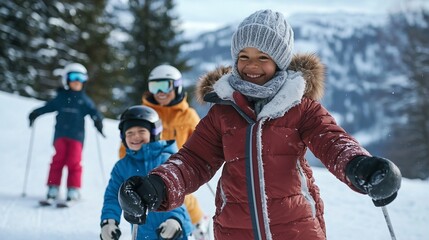
Planning a ski trip is an exciting process that combines adventure, preparation, and anticipation. Whether you’re a first-time skier or someone returning to the slopes, careful planning can make the difference between a stressful experience and a memorable winter escape. From organizing travel details to preparing for mountain conditions, a thoughtful approach helps you focus on enjoyment once you arrive.
Defining Your Ski Trip Goals
Before diving into logistics, take time to define what you want from your ski trip. Some travelers are focused on skiing or snowboarding all day, while others are equally interested in relaxation, scenic views, and off-slope activities. Understanding your priorities helps shape decisions about timing, accommodations, and daily schedules.
Traveling with family, friends, or solo also influences planning. Group trips may require balancing different skill levels and interests, while solo travelers often enjoy more flexibility and spontaneity.
Choosing the Right Time for Your Trip
Timing plays a major role in ski trip planning. Weather conditions, snow quality, and crowd levels vary throughout the season. Choosing dates that align with your comfort level and expectations helps create a better experience.
If flexibility allows, traveling outside of peak periods can provide a more relaxed atmosphere and easier access to slopes and services. Planning ahead also allows you to organize travel and accommodations without last-minute stress.
Budgeting for a Ski Vacation
Ski trips often involve multiple expenses, making budgeting an essential step. Transportation, accommodations, equipment, lessons, meals, and activities all contribute to the overall cost. Creating a clear budget early helps you prioritize spending and avoid unexpected expenses.
Setting aside a portion of your budget for extras such as gear rentals, instruction, or recovery time activities ensures you can fully enjoy your trip without financial worry.
Preparing for Transportation and Travel
Reaching your ski destination often involves winter travel conditions. Planning transportation carefully helps ensure a smooth journey. Consider travel time, potential weather delays, and how you’ll move between lodging and ski areas.
Packing travel essentials in an organized way makes arrival easier, especially when dealing with bulky winter gear. Keeping important items accessible reduces stress during transit.
Selecting Accommodations for Comfort and Convenience
Choosing the right place to stay is key to enjoying your ski trip. After long days on the slopes, a comfortable space to rest and recover makes a noticeable difference. Consider proximity to ski areas, available amenities, and space for storing equipment.
Accommodations that allow for easy mornings and relaxing evenings help maintain energy throughout your trip. Comfort and convenience play a big role in overall satisfaction.
Equipment and Gear Preparation
Proper equipment is essential for both safety and enjoyment. Whether you own gear or plan to rent, making arrangements in advance saves time and ensures availability. Gear should be suited to your skill level and properly fitted to reduce fatigue and risk of injury.
Clothing choices are just as important. Layering helps regulate body temperature in changing mountain conditions. Waterproof outer layers, insulated clothing, and proper accessories keep you warm and comfortable throughout the day.
Physical Readiness and Skill Preparation
Skiing and snowboarding are physically demanding activities. Preparing your body before the trip can enhance performance and reduce soreness. Light conditioning, stretching, and balance exercises help build strength and endurance.
If you’re new to skiing or returning after a long break, lessons can be a valuable part of your plan. Professional instruction improves technique, builds confidence, and makes time on the slopes more enjoyable.
Planning Daily Activities on and off the Slopes
While skiing may be the main focus, planning a balanced schedule helps prevent burnout. Allow time for breaks, meals, and relaxation. Alternating intense activity with rest keeps energy levels steady.
Off-slope activities add variety to your trip and provide options for non-skiers or rest days. These moments enhance the overall experience and make the trip enjoyable for everyone.
Safety and Mountain Awareness
Safety should always be part of ski trip planning. Understanding mountain conditions, weather changes, and slope guidelines helps reduce risk. Taking time to review basic safety practices ensures you’re prepared for varying conditions.
Staying hydrated, pacing yourself, and listening to your body are simple but effective ways to stay safe. Preparedness allows you to enjoy the slopes with confidence.
Packing Essentials for a Ski Trip
Packing thoughtfully ensures you’re ready for both outdoor activities and downtime. In addition to ski gear, bring comfortable clothing for evenings and recovery time. Accessories such as gloves, headwear, and eye protection are essential for mountain conditions.
Organizing gear and clothing before departure saves time and prevents unnecessary stress once you arrive.
Making the Most of Your Ski Trip Experience
A well-planned ski trip allows you to focus on the experience rather than logistics. Embracing flexibility, adjusting expectations, and enjoying each day as it comes can turn small moments into lasting memories.
Planning also creates space for connection. Whether sharing meals, celebrating progress on the slopes, or relaxing after a long day, these moments define the trip just as much as skiing itself.
Final Thoughts
Planning a ski trip is about creating a balance between preparation and enjoyment. By setting clear goals, organizing details in advance, and staying flexible, you can enjoy a smooth and rewarding winter getaway. With the right approach, your ski trip becomes more than just time on the slopes—it becomes an experience filled with adventure, comfort, and unforgettable moments.